7 Mistakes Killing Your Insurance Direct Mail ROI (And How to Fix Them)
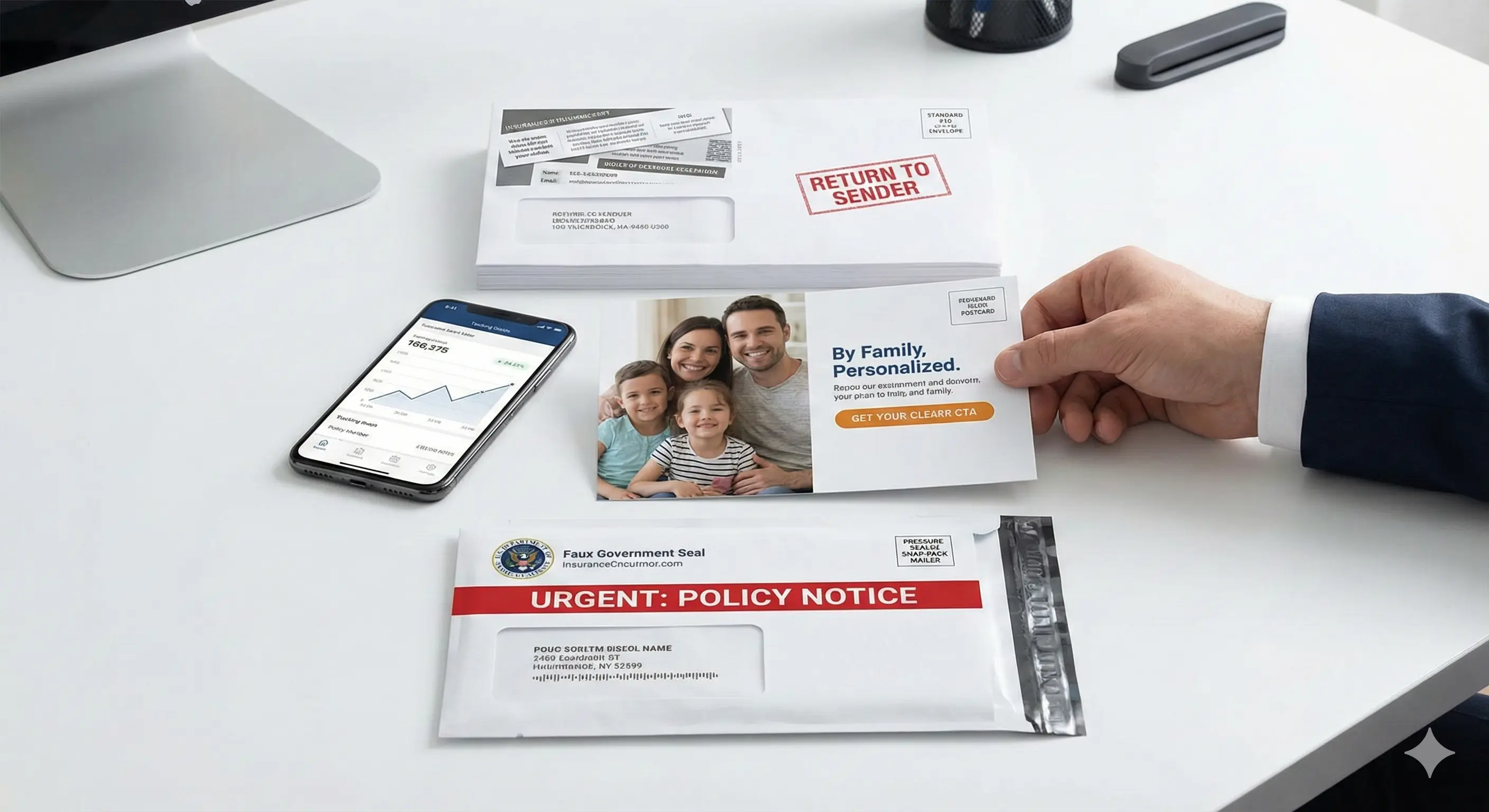 In the high-stakes world of insurance, your marketing doesn't just need to be seen—it needs to be trusted. While digital channels are increasingly saturated and easily ignored, direct mail continues to be the "heavy hitter" for insurance lead generation. In fact, according to the Association of National Advertisers (ANA), direct mail can deliver an ROI of up to 161% when sent to house lists.
However, the difference between a high-converting campaign and a wasted stack of paper comes down to execution. For insurance agents and agencies, a single blunder can lead to more than just a low response rate; it can trigger compliance issues or damage your brand's credibility.
Here are the most critical insurance direct mail blunders you need to avoid to keep your campaign on track and your book of business growing.
1. The "One-Size-Fits-All" Targeting Mistake
One of the fastest ways to burn your marketing budget is by trying to appeal to everyone. Insurance is personal. A 25-year-old renter looking for basic liability coverage has completely different motivations than a 55-year-old homeowner with multiple assets to protect.
The Fix: Leverage targeted mailing lists that filter by specific life events. Are you targeting new homeowners? New parents? People approaching age 65? Your message must be hyper-relevant to the recipient's current life stage to spark action.
2. Neglecting Data Hygiene and Validation
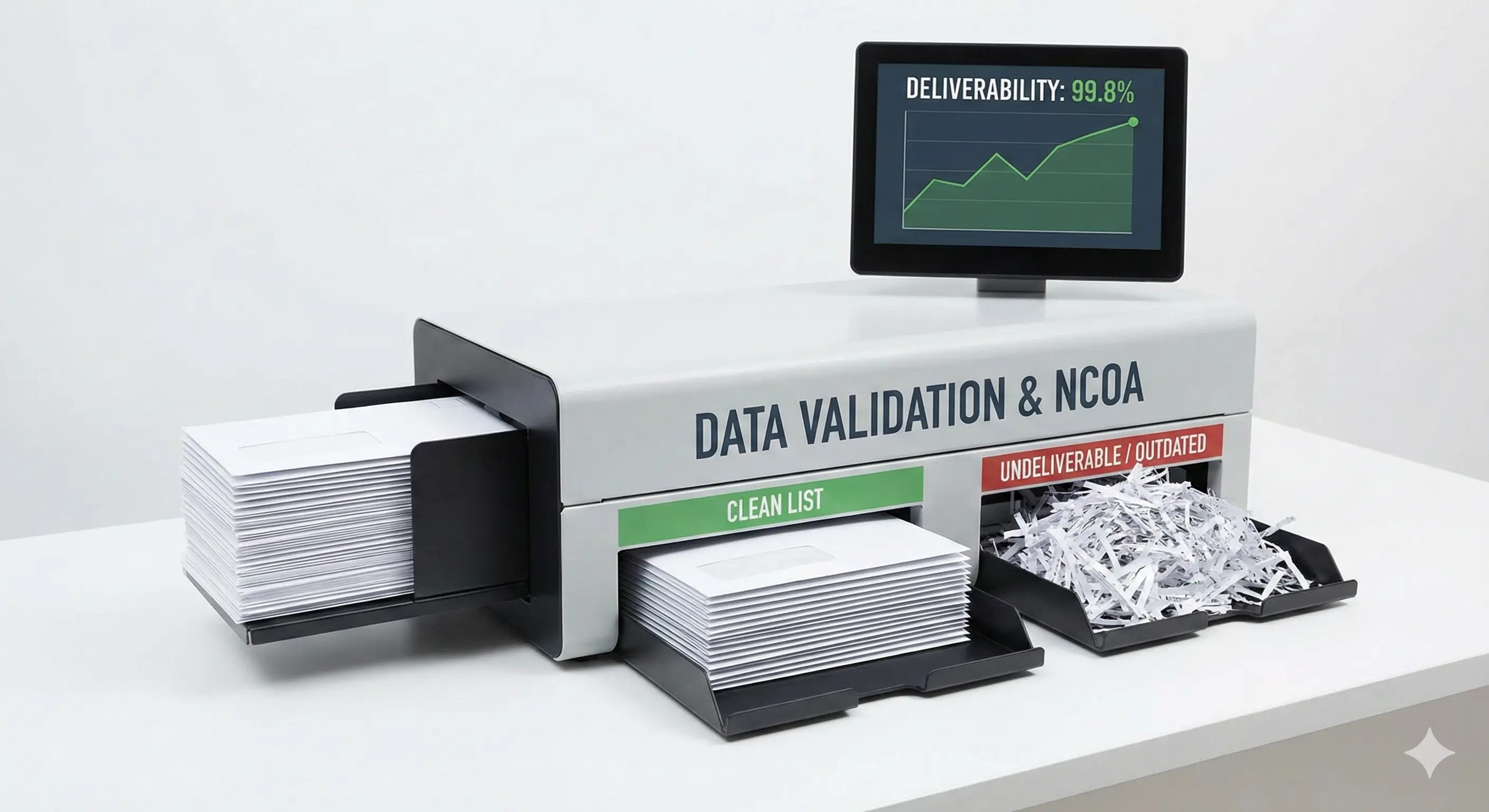 The most expensive mailer is the one that is never delivered. Many agents make the mistake of using outdated lists without performing a final NCOA (National Change of Address) or CASS certification. According to industry benchmarks, up to 15% of addresses can become outdated in a single year.
The Fix: Always ensure your mailing partner uses real-time address validation. High-quality data ensures your insurance letters actually reach the intended decision-maker, reducing waste and protecting your sender reputation with the USPS.
3. Ignoring the "Official" Factor: Using the Wrong Format
In insurance, the format of your mailer dictates the "open" psychology. Many agents send standard postcards for sensitive notifications, which can feel too informal. Conversely, sending a generic envelope can often lead it straight to the "junk" pile.
The Fix: For high-stakes offers or policy notifications, consider snap pack mailers. These pressure-sealed documents mimic the look of official government or financial notices. Because they require the recipient to "snap" the edges to open, they command immediate attention and have significantly higher open rates than traditional envelopes.
4. Failing to Meet Compliance and Disclosure Standards
Insurance is a heavily regulated industry. Making unsubstantiated claims or failing to include required state disclosures can lead to severe penalties. The Federal Trade Commission (FTC) and the Deceptive Mail Prevention and Enforcement Act set strict guidelines on what can and cannot be implied in a mailer—especially if it looks like a government notice.
The Fix: Always work with a mail house that understands insurance compliance. Ensure your copy is transparent, includes the necessary disclaimers, and clearly identifies your agency as the sponsor of the mailing.
5. Overwhelming the Prospect with Multiple CTAs
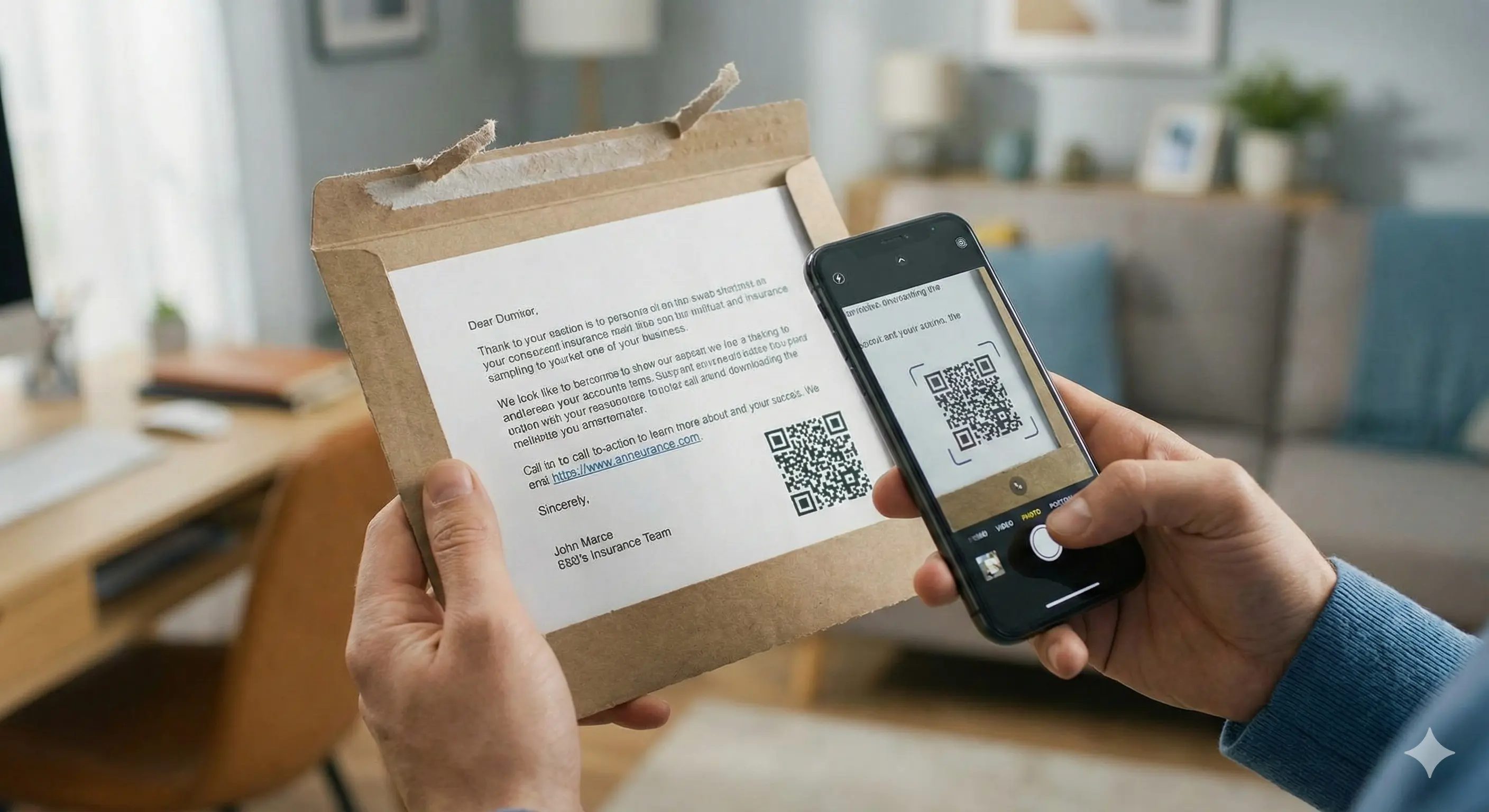 If you ask a prospect to call you, visit your website, find you on Facebook, and come into the office all on the same postcard, they will likely do none of the above. This is known as "analysis paralysis."
The Fix: Stick to one primary Call to Action (CTA). Whether you want them to scan a QR code for a quote or call a dedicated tracking line, make it singular and prominent. Clarity is the most important element of any direct mail marketing strategy.
Frequently Asked Questions (FAQ)
Q: Is direct mail more effective than email for insurance leads?
A: Yes. Recent studies show that insurance direct mail response rates often average around 3.5% to 4%, while email response rates in the same sector typically hover below 0.2%. Direct mail cuts through the digital clutter and provides a tangible reminder that prospects can keep on their desks.
Q: What is the best month to send insurance mailers?
A: While timing depends on your product (e.g., Open Enrollment for Health), many agents see a surge in Q1 (January-March) as people reset their annual budgets, and in October for year-end policy reviews.
Q: How do I track the ROI of my insurance mailers?
A: The most effective methods include using unique tracking phone numbers, personalized URLs (PURLs), or campaign-specific QR codes. These tools allow you to attribute every new policy back to the specific mailer that generated the lead.
Q: Are snap pack mailers better for insurance than postcards?
A: It depends on the goal. Postcards are excellent for brand awareness and quick visual offers. Snap packs are superior for "official" or "urgent" messaging, such as rate updates, policy renewals, or pre-approvals, because they drive higher open rates.
Want more help with direct mailing services? You can reach out to Mail King USA for your needs or get a direct mailing quote now.
