Beyond the Bin: Avoiding the 4 Critical Mistakes of Direct Mail Marketing

In an era of "digital fatigue," direct mail has seen a massive resurgence as a premium, high-trust outreach channel. However, because physical mail requires a tangible investment in postage and printing, the cost of a mistake is much higher than a deleted email.
According to the Association of National Advertisers (ANA), direct mail consistently outperforms digital channels, with response rates for house lists reaching as high as 9%. Yet, many businesses fail to see these results because they fall into the same four predictable traps.
To ensure your next campaign delivers maximum ROI, avoid these foundational blunders.
1. Using "Dirty" or Outdated Mailing Lists
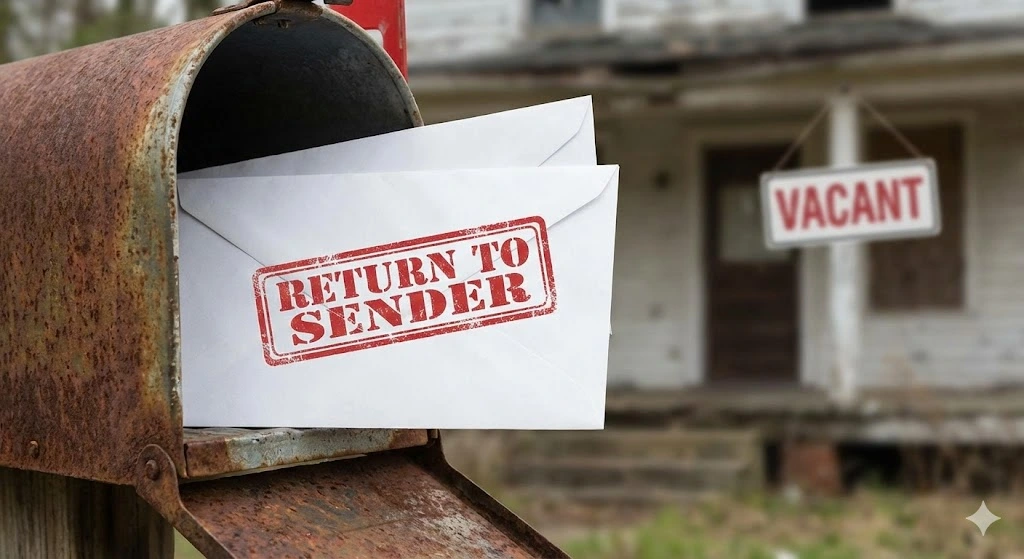 As we often say at Mail King USA, the most sophisticated design in the world cannot save a campaign sent to the wrong person or an empty house. Industry veterans follow the 40/40/20 Rule: 40% of your success depends on the list, 40% on the offer, and only 20% on the creative.
A major mistake is failing to perform NCOA (National Change of Address) and CASS certification. According to USPS data, roughly 15% of the U.S. population moves every year. If your list is just 12 months old, nearly one-sixth of your budget is being mailed to the wrong recipients.
The Fix: Invest in high-quality targeted mailing lists that are refreshed every 30 days. Whether you are using a broad zip code mailing list or hyper-local radius mailing, data hygiene is your first line of defense against wasted postage.
2. Crafting a Weak or "Cluttered" Call to Action (CTA)
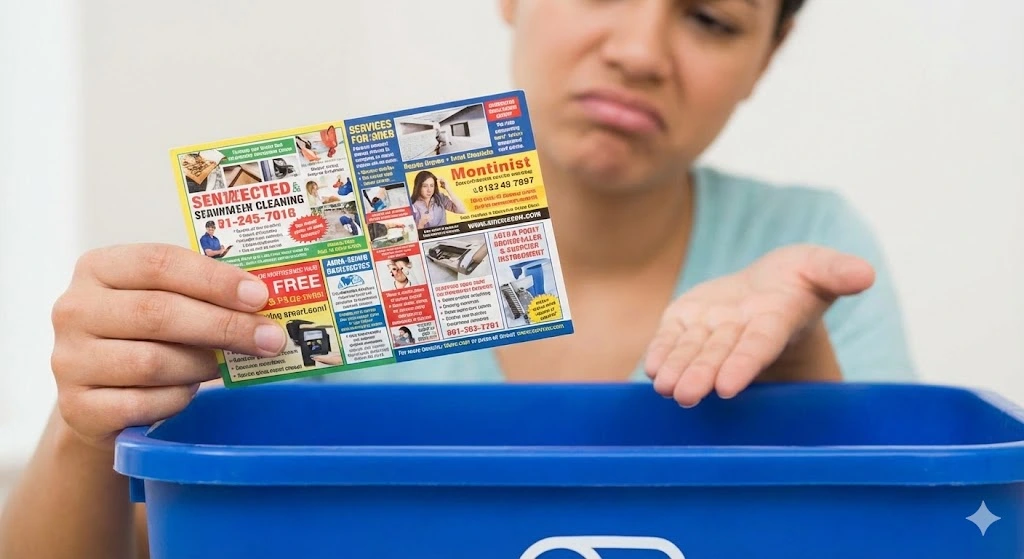 If a recipient has to work to figure out what you want them to do, they will simply toss the mailer. A common mistake is trying to "tell the whole story" on one card.
Neuromarketing research from the Temple University Fox School of Business shows that physical ads leave a longer-lasting impression and trigger a higher emotional response than digital ads—but only if the message is clear. A cluttered mailer increases cognitive load, leading to "decision paralysis."
The Fix: Your offer should be singular, bold, and urgent. Instead of listing five different services, focus on one high-value lead magnet. Whether it's for HVAC service postcards or a professional B2B letter campaign, ensure your CTA is prominent and frictionless.
3. Ignoring the "Three-Second Rule" of Design
 Your mailer has approximately three seconds to move from the "junk" pile to the "keep" pile. A fatal mistake is using low-contrast colors, small fonts, or generic stock imagery that looks like a utility bill or government notice (unless that is your specific strategy, like with snap packs).
Visual hierarchy is essential. The recipient’s eye should move naturally from the Headline to the Offer to the CTA in a single sweep.
The Fix: Use high-quality, professional postcard printing with "hero" imagery that represents the benefit the customer receives. If you are sending insurance mailers, use clean, authoritative formats that signal importance without being overwhelming.
4. Failing to Track and Attribute Results
 "I know half the money I spend on advertising is wasted; the trouble is I don't know which half." This famous quote by John Wanamaker shouldn't apply to modern direct mail. The biggest blunder in 2026 is treating mail as an "untrackable" medium.
Without tracking, you cannot perform A/B testing or calculate your Customer Acquisition Cost (CAC). According to MarketingCharts, businesses that integrate digital tracking into their physical mail see a 28% increase in campaign performance due to better data insights.
The Fix: Use advanced mail tracking tools. This includes unique QR codes that lead to personalized landing pages (PURLs) and dedicated call-tracking numbers. Knowing exactly which list or design generated the lead allows you to scale what works and cut what doesn't.
Frequently Asked Questions (FAQ)
Q: Is direct mail more expensive than digital marketing?
A: On a per-impression basis, yes. However, on a Cost Per Acquisition (CPA) basis, direct mail is often more affordable because of its higher conversion rate. A physical postcard stays in the home for an average of 17 days, whereas a digital ad disappears in seconds.
Q: How often should I mail the same list?
A: Consistency is vital. Most successful campaigns utilize a "drip" approach, mailing the same high-quality list three times over a 45-to-90-day window. This builds brand familiarity and catches the prospect at the exact moment they need your service.
Q: What is the most effective size for a postcard?
A: Oversized postcards (6" x 11") generally have the highest response rates because they physically stand out from standard envelopes in the mailbox. For B2B outreach, professional direct mail letters are often more effective as they bypass digital gatekeepers.
Got questions? Ready to get started? Call Mail King USA to discuss your unique needs and campaign goals or request a direct mail quote online
