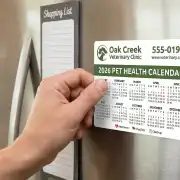
3 Ways to Improve Results on Your Mass Postcard Mailing Services
In an era where digital inboxes are overflowing and social media feeds are cluttered with temporary ads, mass mailing services offer a physical "pattern interrupt." However, there is a distinct difference between simply sending mail and executing a high-performance mass postcard mailing campaign.
If you want to drive local growth, you must move beyond the "spray and pray" mindset. Whether you are using direct mail for lead generation or brand awareness, the effectiveness of your campaign relies on the marriage of data, design, and delivery logistics.
To help you get the most out of your mass postcard mailing services, here are three pillars of optimization that separate the winners from the "junk mail."
1. Data Precision: The Foundation of Mass Mailing Services
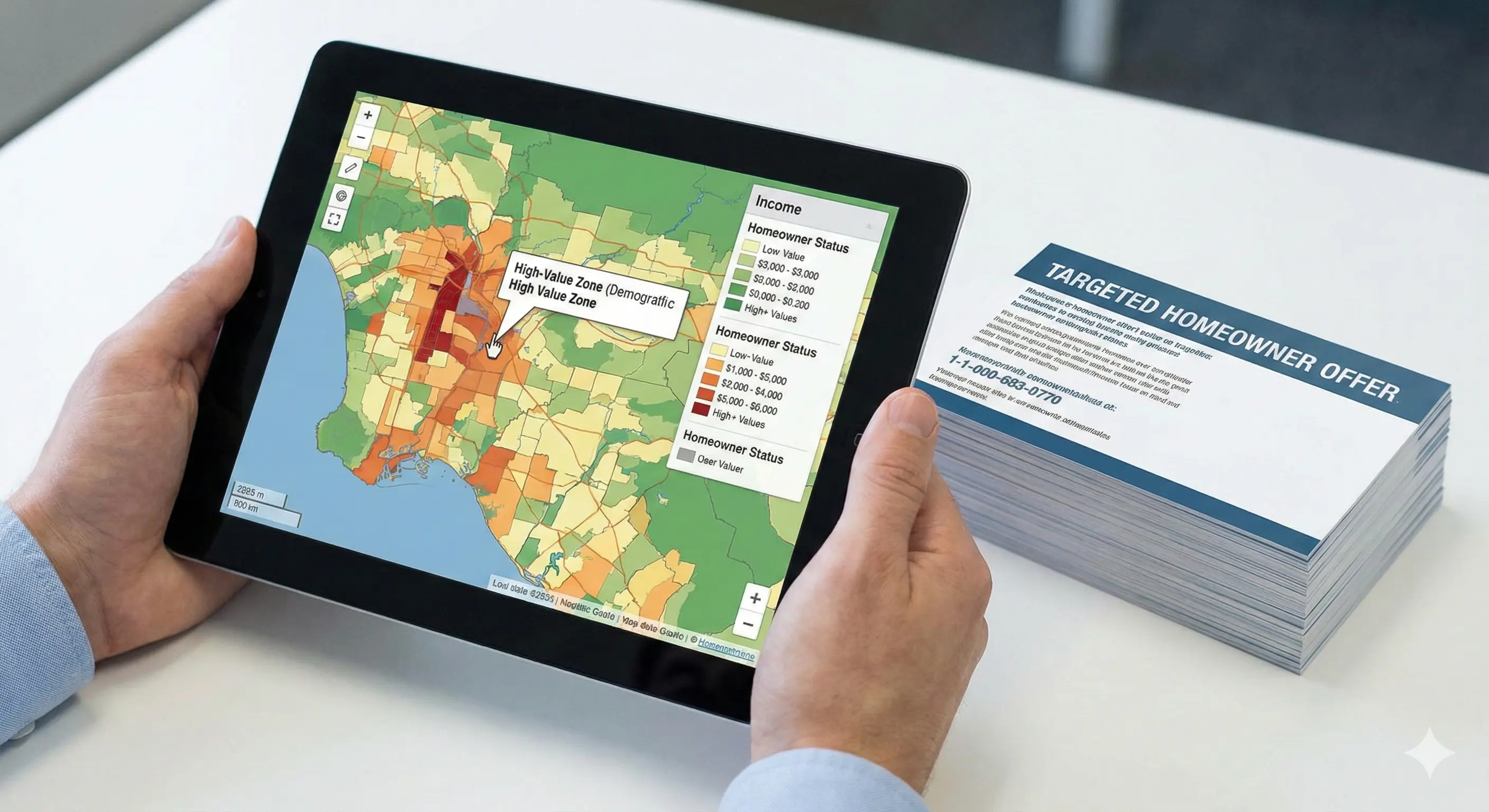
The most common mistake in mass mailing is assuming that "mass" means "generic." Even if you are mailing to thousands of residents, your results will improve significantly if that "mass" is segmented.
Industry veterans often cite the 40/40/20 Rule: 40% of your success depends on the list, 40% on the offer, and 20% on everything else (design and copy). According to research from the Association of National Advertisers (ANA), targeted direct mail campaigns can achieve a much higher ROI than broad, unsegmented digital display ads.
- Segment Your Audience: Instead of mailing every home in a zip code, use targeted mailing lists to filter by homeowner status, length of residence, or household income. For a targeted mailing around your business or site location, consider a radius mailing list.
- Clean Your Data: Professional mass mailing services should always include NCOA (National Change of Address) updates. This ensures you aren't paying for postage on mail that will be returned as undeliverable.
2. The "3-Second Rule" of Postcard Design
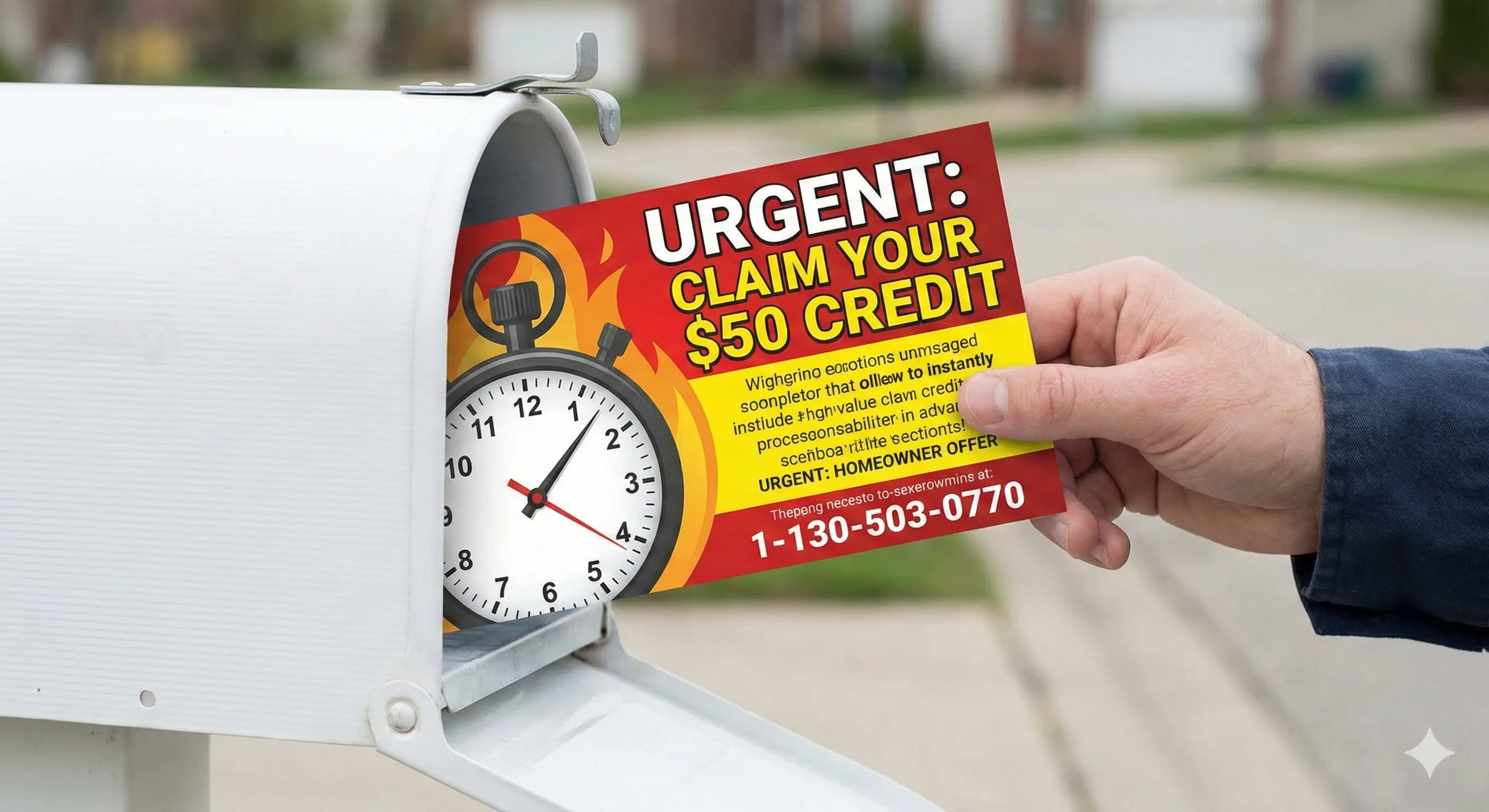 When a recipient pulls their mail from the box, you have approximately three seconds to convince them to keep your card rather than toss it. This is why the creative design of your mass postcard mailing must be hyper-focused on "stopping power."
The USPS Delivers platform has highlighted that physical mail engages the brain's "value processing" centers more deeply than digital media. To capitalize on this:
- Use Oversized Formats: Larger postcards (like 6" x 11") physically stand out in the mailbox.
- Focus on the Benefit, Not the Feature: Don't just list your services. Headline your card with a strong, urgent offer (e.g., "Claim Your $50 Spring Tune-Up Credit").
- High-Contrast Call to Action: Your CTA should be the most prominent element on the card.
3. Advanced Tracking and Attribution
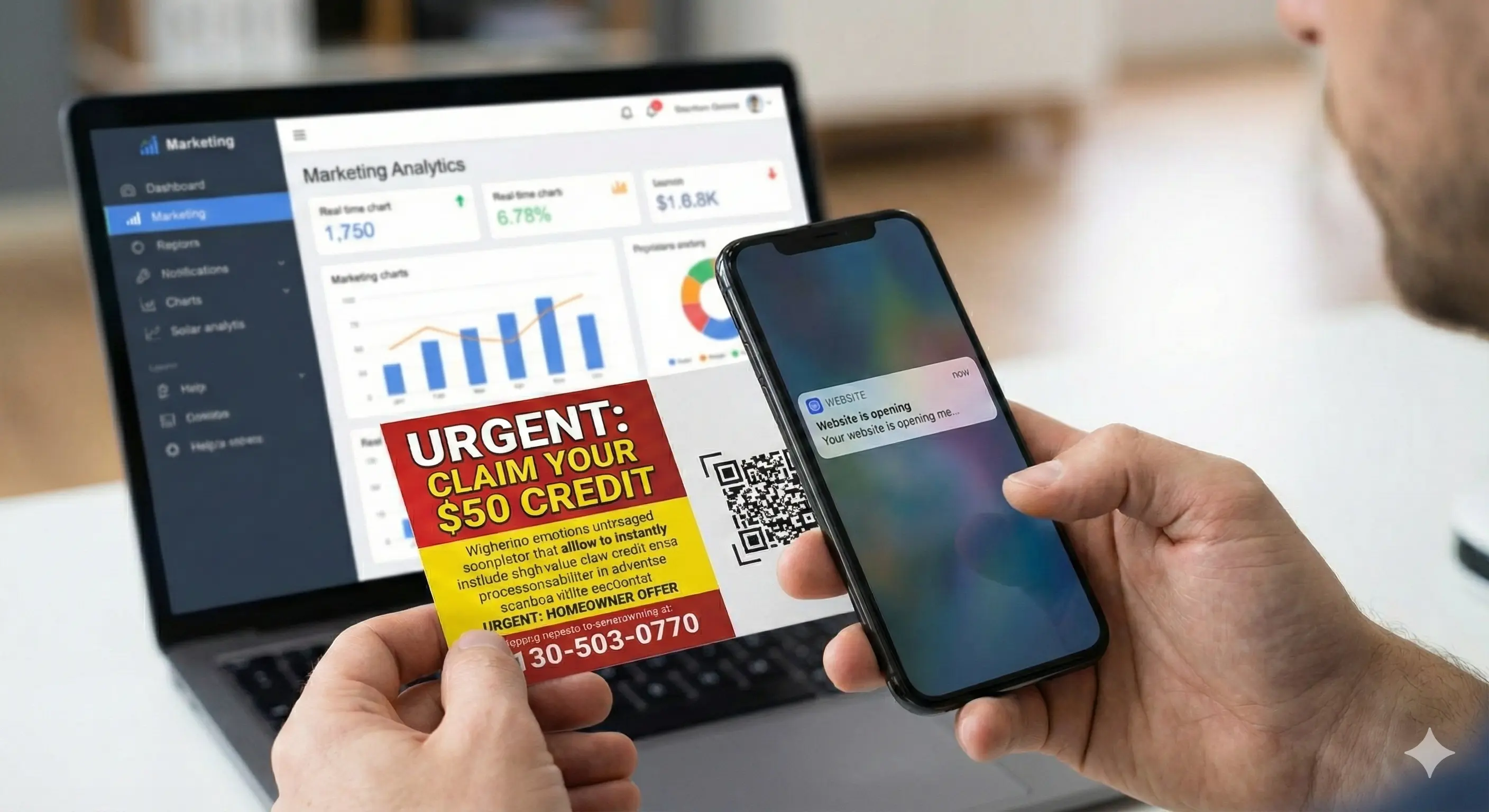 In 2026, the biggest advantage of professional mass postcard mailing services is the ability to track results with digital precision. You can no longer afford to guess if your mail is working.
By integrating mail tracking and attribution tools, you can see exactly when your mail hits homes. This allows you to coordinate your follow-up phone calls or digital retargeting ads to sync perfectly with the mail's arrival.
- Unique QR Codes: Drive traffic to a specific landing page. This allows you to track exactly which recipient scanned the card and visited your site.
- Call Tracking Numbers: Use a dedicated phone number for each campaign to see exactly how many leads were generated by the physical mailer.
Frequently Asked Questions (FAQ)
Q: What is the difference between EDDM and standard mass mailing services?
A: EDDM (Every Door Direct Mail) is a USPS program that allows you to reach every home on a specific mail route. Standard mass mailing services are more targeted, allowing you to use a specific mailing list to reach only the individuals who meet your customer profile, regardless of where they live in a city.
Q: Are mass mailing services still effective in a digital world?
A: Yes. In fact, they are often more effective because of digital fatigue. Statistics from MarketingCharts indicate that direct mail response rates remain significantly higher than email click-through rates, largely because physical mail is harder to ignore and has a longer "shelf life" in the home.
Q: How do I calculate the ROI of my mass postcard campaign?
A: To find your ROI, subtract the total cost of the campaign (printing, list, and postage) from the total profit generated by the leads. Using tracking tools is essential to ensure every lead is correctly attributed to the mailing.
Q: How long does it take for a mass mailing to hit homes?
A: Depending on the postage class (First-Class vs. Marketing Mail) and whether you use "SCF entry" to drop mail closer to the destination, delivery usually takes between 3 to 12 business days.